
Andrea Fradagrada
Vice President, Italy
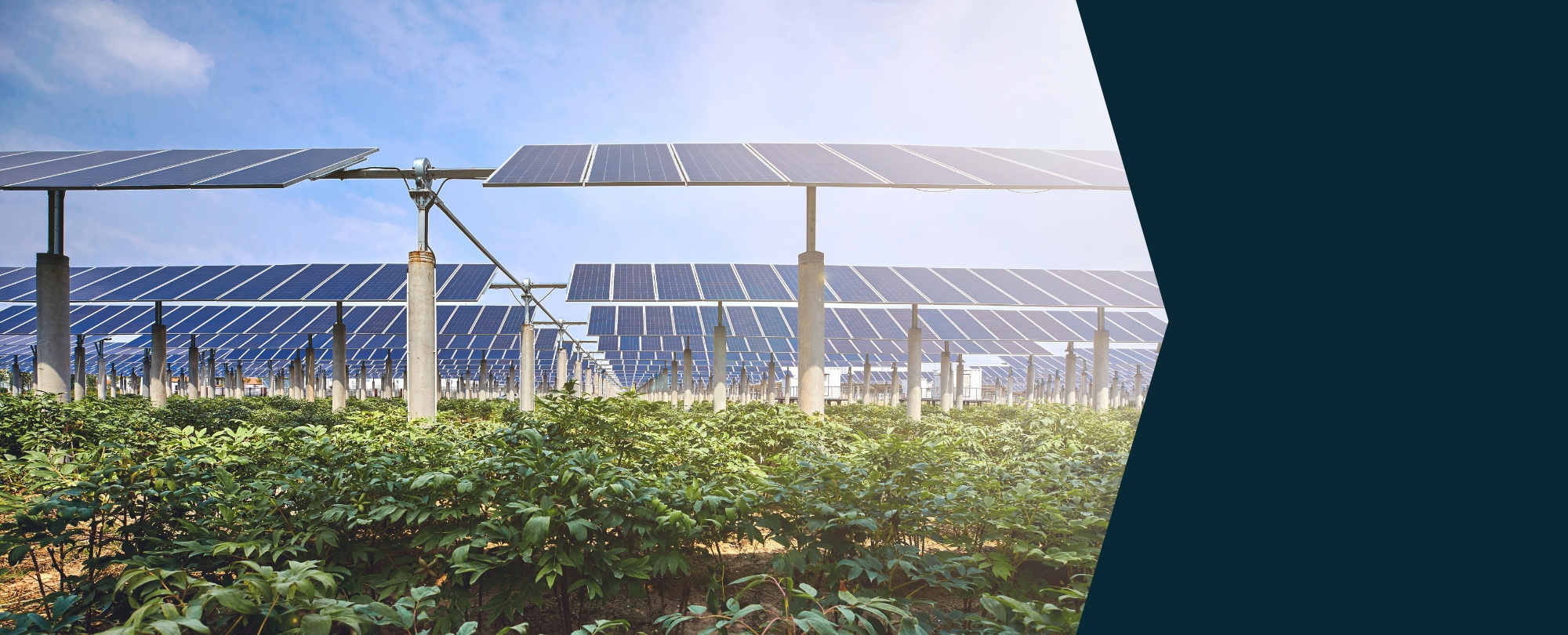
We turn our focus to Italy, where renewable energy is playing a key role in shaping a resilient and competitive energy future.
Italy is one of Europe’s most dynamic renewable energy markets. With strong solar resources and growing demand for renewable energy, the country is rapidly advancing toward a more sustainable and independent energy system. Recent record-breaking growth in renewables, particularly in solar power, demonstrates both investor confidence and national commitment to decarbonization.
Together with local partners, Korkia develops utility-scale solar, wind, and energy storage projects in eight markets across Europe, North and South America. Through this series, we highlight the market fundamentals, investment landscape, and development opportunities that make each country strategically important for Korkia’s growth.
In 2024, renewable energy sources, including solar, wind and hydro, met 41.2% of Italy’s total electricity demand, up from 37.1% year 2023, according to Terna, Italy’s national transmission system operator.
Terna reports that the total increase in renewable capacity in 2024 reached 7,480 MW, exceeding the 2023 figure by 1,685 MW, a 29% year-on-year rise. This strong capacity growth underscores Italy’s accelerating shift toward renewables as a reliable and cost-effective cornerstone of its power system.
Solar energy continues to drive Italy’s renewable momentum. In 2024, around 6.8 GW of new solar capacity were installed, bringing total solar capacity to over 37 GW, according to Italia Solare via PV Magazine International. Italy also saw double-digit growth in solar generation, with Terna reporting a 19.3% year-on-year increase, reaching a record 36 TWh of solar output.
Italy’s updated National Energy and Climate Plan (NECP) sets an ambitious goal of 131 GW of total renewable capacity by 2030. Of this, roughly 79 GW will come from solar and 28 GW from wind. The targets underline Italy’s determination to accelerate its renewable buildout and align with the EU’s climate objectives.
As renewables expand, grid flexibility becomes critical. Italy’s grid operator Terna has launched the MACSE (Mercato della Capacità per i Sistemi di Accumulo) scheme, a capacity market mechanism designed to promote large-scale energy storage. Experts estimate that up to 50 GWh of storage will be needed by 2030 to balance renewable generation and demand, according to ESS News.
According to Terna’s Monthly Electricity Market Report (September 2025) and Fraunhofer, average day-ahead wholesale electricity prices in Italy for September 2025 were €109.1 per MWh, remaining among the highest in Europe. Fraunhofer’s 2025 data show average prices of €110.4/MWh in Italy, compared with €59.7/MWh in France, €64.1/MWh in Spain, and €87.8/MWh in Germany. This means electricity prices in Italy have been over 80 % higher than in France, more than 70 % above Spain, and around 25 % above Germany, underscoring attractive revenue conditions for renewable energy developers.
For renewable energy developers and investors, higher market prices enhance project returns and improve the commercial case for new capacity, particularly as technology costs continue to fall and long-term policy targets remain supportive. Together, these factors make Italy one of Europe’s most attractive renewable energy investment environments.
Power Purchase Agreements (PPAs) are also gaining traction in Italy, supported by the new FER X incentive scheme and the Energy Release framework for industrial consumers. These mechanisms enhance long-term revenue certainty and reduce market risk for developers. The Italian PPA market is set to expand rapidly, further bolstering investor confidence and enabling new renewable capacity entry.
Korkia entered the Italian market in 2023, partnering with FFK and BIWO Renewables to develop approximately 1 GW of solar PV and energy storage projects.
The development company with BIWO Renewables includes projects with more than 400 MW in late or final development phase. Nine projects with a combined capacity of over 40 MW have already reached ready-to-build (RTB) status, ranging from 2–10 MW solar plants to a 10 MW standalone BESS project.
In collaboration with FFK, Korkia is advancing an additional 240 MW of projects in mid-phase development, including three standalone battery storage projects and one late-phase solar project of 4 MW.


With extensive experience in the renewable energy sector, Andrea will play a key role in advancing Korkia’s strategic initiatives in the...
Korkia’s portfolio in Italy continues to grow and currently totals approximately 1GW, including mainly mid-to-small as well as large utility-scale solar...